• 0 items are waiting in your cart! - Checkout now

  • Envío gratis en pedidos a EE. UU. de $25+

Envío gratis en pedidos a EE. UU. de $25+

Seguridad Acuática para Niños: Consejos de Expertos para Piscinas, Lagos y Playas

Water Safety for Kids: Expert Tips for Pools, Lakes & Beaches

La diversión del verano trae mucha alegría, pero con todo ese juego en el agua viene una *gran* responsabilidad. Por eso le pedimos a Megan Fernandez, instructora de natación profesional con más de 20 años de experiencia y mamá de tres, que compartiera sus consejos expertos sobre cómo mantener a los niños seguros en el agua, ¡para que esta temporada te sientas más tranquilo!

¡Haznos una pequeña introducción! Cuéntanos sobre ti, tu trayectoria y cómo te interesaste en la educación sobre seguridad en el agua.

¡Hola, soy Megan, mamá de tres pequeños increíbles (de 6, 5 y 7 meses) e instructora de natación profesional! Llevo más de 20 años enseñando lecciones de natación. He entrenado en todos los niveles, y después de tener a mis propios hijos, me apasioné especialmente por mantener a los niños seguros en el agua.


¿A qué edad deben los padres empezar a pensar en la seguridad en el agua, y cuáles son los primeros pasos a seguir?

Los padres deben empezar a pensar en la seguridad en el agua desde la infancia, incluso antes de que su hijo pueda gatear o caminar. Así es como deben ser los primeros pasos de la seguridad en el agua:

  • Nunca dejes a un niño sin supervisión cerca del agua, ni por un momento.

  • Aprende RCP: todo cuidador debe saber cómo responder en una emergencia.

  • Usa barreras: cercas, puertas y puertas con llave pueden salvar vidas.

  • Usa chalecos salvavidas cerca de aguas naturales, muelles o botes.

  • Modela la seguridad en el agua. Los niños copian lo que ven, ¡así que asegúrate de dar el ejemplo!
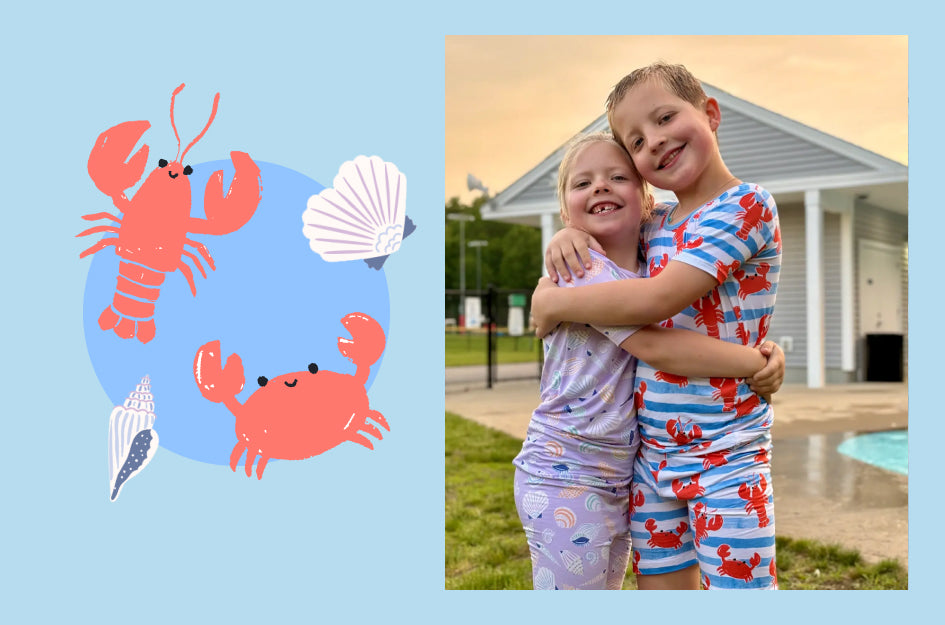
Foto de: @ca.lys.sa


¿Cómo pueden los padres hacer que la seguridad en el agua sea divertida para los niños pequeños? ¿Algún juego o actividad que mantenga viva la alegría?

Puedes encontrar un equilibrio entre establecer reglas y mantener la diversión dando a los niños un rol y haciéndolos parte del equipo de seguridad. Esto puede verse así:

  • Permíteles verificar que la puerta de la piscina esté cerrada antes de empezar a jugar.

  • Pídeles que ayuden con una "revisión de seguridad": ¿Hay un adulto cerca? ¿Toallas? ¿Protector solar?

  • Dales la tarea de recordar a todos que "esperen al adulto" antes de entrar.

Luego, ¡juega al "Cuál es el plan?" y al "Qué pasaría si?"! Cada vez que estés cerca del agua, pregúntales: "¿Cuál es el plan para estar seguros aquí?" Permite que se les ocurran respuestas como: "Quedarme donde pueda tocar el fondo", "Preguntar antes de entrar", "Cuidar a mi hermano pequeño".

Luego, pasa a las preguntas de "Qué pasaría si...": "¿Qué pasaría si se te cae un juguete en la parte profunda?", "¿Qué pasaría si tu amigo quiere competir allí?", "¿Qué pasaría si te sientes cansado en la piscina?"


¿Cuál es el mayor mito sobre la seguridad en el agua que los padres creen y que podría poner en riesgo a sus pequeños?

Antes de profundizar, esto puede ser difícil de hablar, pero es importante. ¡Un padre educado es un padre empoderado! Desmintamos algunos mitos comunes:

Mito 1: “Escucharé a mi hijo si está en problemas, ahogarse hace mucho ruido”.

Verdad: El ahogamiento a menudo es completamente silencioso. Los niños pueden deslizarse silenciosamente y quedarse paralizados, y el ahogamiento puede ocurrir en menos de 30 segundos, incluso en aguas poco profundas. De hecho, es la principal causa de muerte accidental en niños menores de cuatro años.

Mito 2: “Hay tantos adultos alrededor, alguien está vigilando la piscina”.

Verdad: Cuando todos están alrededor, nadie está realmente vigilando. Por esta razón, usa la regla del "Vigilante de agua designado": un adulto a la vez actúa como salvavidas con los ojos sin distracciones en el agua.

Foto de: @abrancamp


¿Qué deben buscar los padres al elegir lecciones de natación?

Esto es lo que debes buscar al elegir las lecciones de natación adecuadas:

1. Instructores con formación especializada: Busca instructores certificados en seguridad acuática, RCP, primeros auxilios, o con experiencia en natación adaptada o trabajando con niños con necesidades especiales (como autismo o discapacidades físicas).

2. Clases con pocos alumnos: Las lecciones privadas o en grupos pequeños (idealmente de 2 a 4 niños) aseguran que cada niño reciba la atención que necesita.


¡Ya llegó el verano! ¿Cuáles son los consejos esenciales de seguridad en el agua para los padres y las reglas que toda familia debería establecer?

Ya sea que estés en la piscina, en la playa, disfrutando del lago o simplemente chapoteando en el patio trasero, aquí están las reglas esenciales de seguridad en el agua que toda familia debería establecer antes de lanzarse:

1. Los niños y los no nadadores deben usar chalecos salvavidas aprobados por la Guardia Costera de EE. UU. en aguas abiertas, como lagos, océanos o ríos.

2. Nunca dejes a un niño sin supervisión cerca del agua, ni por un momento. Siempre mantén tus ojos en ellos, con los teléfonos guardados y toda tu atención.

3. Establece zonas de natación claras. Permanece en aguas poco profundas, evita corrientes fuertes y mantente alejado de botes o motos acuáticas. Siempre estate alerta a las corrientes de resaca o cambios repentinos en el agua.


¿Cómo pueden los padres ocupados practicar la seguridad en el agua en casa, incluso sin piscina?

La hora del baño es la oportunidad perfecta para introducir la comodidad en el agua y las habilidades tempranas de natación, como mojar la cara, soplar burbujas, jugar con gafas de natación y practicar flotar de espaldas. ¡Incluso sin una piscina, puedes empezar a enseñar seguridad en el agua en casa!

Foto de: @jenniferwilliamsonn


¿Cuál es tu opinión sobre los dispositivos de flotación?

Por favor, omite los flotadores inflables para brazos. Pueden deslizarse o desinflarse fácilmente y NO son seguros para nadar. Aunque algunos programas de natación aconsejan no usar nunca los "puddle jumpers" (dispositivos de flotación que consisten en flotadores de brazos conectados a una pieza en el pecho, a veces con una hebilla que asegura el dispositivo en la espalda), como madre de tres, lo entiendo. Si estás haciendo malabares con varios niños, un "puddle jumper" podría ser la mejor opción.


¿Cómo se equilibra la enseñanza del respeto por el agua y, al mismo tiempo, se permite que los niños experimenten la diversión de jugar en ella?

Cuando se trata de jugar en el agua, estoy 100% presente con mis hijos. No endulzamos las reglas ni por qué son importantes. Con un bebé y dos niños mayores (de 5 y 6 años) que saben nadar, es esencial que todos entiendan la razón detrás de la seguridad en el agua. No se trata de miedo, se trata de respeto. Quiero que mis hijos se diviertan en el agua, pero también que entiendan cómo mantenerse seguros.


¿Cuál es tu mejor consejo para padres que son nadadores nerviosos pero quieren mantener a sus hijos seguros?

Muchos padres se sienten nerviosos cerca del agua, especialmente si nunca aprendieron a nadar o tuvieron una experiencia aterradora. Aquí está la buena noticia: No tienes que ser un nadador experto para mantener a tu hijo seguro. Solo necesitas ser proactivo e informado.

Mi mejor consejo es que siempre permanezcas al alcance de los niños pequeños y establezcas reglas claras que puedas hacer cumplir incluso desde tierra firme. Y recuerda, incluso si no estás nadando, tu presencia importa.

Mantenerse seguro en el agua no significa restarle diversión. Si acaso, conocer estos importantes consejos te tranquilizará para que puedas disfrutar de cada momento salpicado.


¿Tienes algún consejo de natación para compartir? Déjalo en los comentarios para tener la oportunidad de ganar una tarjeta de regalo de $50 de LS. ¡Elegimos un afortunado ganador cada mes!

28 Comments

  • Jess

    Aug/20/2025

    Great post! My son is 2 and we started swim lessons last June. My parents have a pool at their house and we have been continuing “lessons” there. The other day, my son decided to start walking in, fully clothed, while my Dad was in the pool a ways away. His head, being the heaviest part of his body, went directly into the water after two steps. I was watching him the whole time and jumped in after him and grabbed him immediately. He looked like he was starting to turn his face towards the surface, but I wasn’t going to wait and see. He is totally fine, but my point of sharing this is, yes, it can happen in mere seconds. Stay vigilant at all times when around water. Water safety is so important.

    P.S. He ended up still wanting to change into his swim clothes and to have a “swim lesson” a few minutes later. We explained why it was now appropriate to get in the pool in our swim clothes with Mama entering as well.

  • Meaghan Savage

    Aug/19/2025

    I had no idea that swim classes should be that small! I’m glad you took the time to interview Megan so we could learn more!

  • Ashley Carlson

    Aug/19/2025

    Enjoyed reading this! We have a pool, lots of great tips!

  • Erica

    Aug/07/2025

    Thanks for sharing the importance of water safety. We started swim lessons with our 3 year old, but she screams and cries sooo much that I’m not sure what to do to help. How can I help her feel more comfortable in the water with her putting her head under the water?

  • Brittney Bryner

    Aug/07/2025

    I love all these tips in the article and the comments. Like many others we’ve switched to vibrant bathing suites. I have a different one for each type of swimming we do, whether it’s the ocean, lake or just grandmas pool. We have a certain color she wears so we can see her better. My daughter also knows she has to have an adult to watch her everytime she goes near the water and mommy has to know what adult is going to watch her. Making sure I know is a huge part for me, that way I know she is safe

  • Sara

    Jul/25/2025

    Thank you for making water safety a top priority! This should be front of mind for parents and caregivers all year long!!

  • Liz Eli Hanlon

    Jul/21/2025

    Water safety is so important , specially here in south Florida where there’s water everywhere. Other than always assigning someone to be watching your kid , if you cannot , and staying very diligent when they are in the water , is to get neon color swimsuits so kids can be spotted under water easier and faster. Thanks for these tips Little Sleepies :)

  • Emily

    Jul/19/2025

    Water safety is so important, no matter what type of what it is! I grew up being a swimmer, so I feel very passionate about all kids learning how to swim. That way if they are ever around water and fall in, they will know how to react. One of the greatest things we did to kiddos when teaching swim lessons was a penny toss. We would throw a bunch of Pennie’s on the bottom of the pool and have the kids dive for them. The kids loved it, especially involving money!

  • J. Lawson

    Jul/16/2025

    As a first responder, thank you for this great article on water safety! Not only for the advice on prevention, but also for rescue/resuscitation education. Early intervention when an accident occurs could make all of the difference! I would also add the recommendation of brightly colored swimwear for your child! Oranges, pinks, yellows and reds are colors that can be easily seen through pool water and ocean/lake water.

  • Kaylynn

    Jul/16/2025

    Bright bathing suit, and high five the designated water watcher before getting in so both the kid and the adult know who is watching them!!

  • Taylor M

    Jul/13/2025

    I appreciate the fact Megan validates the fact having anxiety around water is normal for parents. I also have 3 children (5, 3 & 1) and I ended up enrolling them in ISR. I know it’s not a quick fix but it did teach my children how to float and has given my son confidence around water that he believes he can float and follow the rules safely now. I loved the tips about not using inflatable arms and to use life jackets when on boats, docks etc. Thank you for discussing this safety manner

  • Karla Soto

    Jul/13/2025

    Great info! Thanks

  • Katie Kortes

    Jul/12/2025

    This is such good information for every parent or caregiver to know.

  • Hanna Jacobsen

    Jul/12/2025

    This was so informative! I didn’t learn how to swim until later in life, so now that I have my son I want him to be as prepared and acclimated as possible to water!

  • Abigail woody

    Jul/12/2025

    Great tips!!

  • Ashley Graham

    Jul/12/2025

    Thank you for this. Swimsuit color is not something I would have thought about before. Knowledge is power 💪🏼

  • Cassie

    Jul/10/2025

    Such great tips and advice!! We live in Texas and have a pool in our backyard so all the tips and advice is super helpful!

  • Heidi

    Jul/10/2025

    The more you now! Knowledge is not only power but also helps keep your LO safe! Swimsuit color was not something I would of thought twice about before thank you!

  • Liz Rivela

    Jul/09/2025

    These are amazing tips! Like other commenters, we try to stick with vibrant bathing suit colors that stick out in the water. We also additional physical barriers like having an extra lock on our door that leads out to the lanai – it is intentionally placed at the top of the door so that the kiddos cannot reach it. Each time we go near the pool we make sure to enforce only going in the water when you have an adult with you. When the kids get older we’ll discuss the danger of breath holding games too (which were very popular when I was growing up).

  • Jessie Kappers

    Jul/07/2025

    These were all such good tips!! As a mom in FL this is important information year round!! 🫶🏼

  • Ashley W

    Jul/07/2025

    Choose high visibility colors! Opt for vibrant swimsuits such as bright orange or hot pink (think 80s neon)! These shades stand out best against the water. If their swimsuit isn’t highly visible, consider adding in bright or vibrant accessories like rash guards.

  • Sarah Dodson

    Jul/07/2025

    These are great tips! Looking into swim lessons for my 16 month old and I’ll be keeping these things in mind!

  • Caitlin

    Jul/07/2025

    Great tips!!! Especially love the section regarding myths as many don’t realize that drowning is usually silent. Very scary! Thanks for sharing!

  • Stephanie

    Jul/07/2025

    Lots of good advice! The bright colored swim suits is super helpful! Locks on pool doors and you can also get a device that goes in the pool that sounds when something touches the water.

  • Abigail

    Jul/07/2025

    We always say that a grown up has to be with you and you have to ask before going near the water and have explained why. My oldest has always been nervous around pools but loves playing with water, so we have some measuring cups and small containers that she can play with on the step (sitting with a grown up) while she gets adjusted to being in water. It has helped her be able to participate. :-)

Leave a Comment

Please note, comments must be approved before they are published